
5 DAYS 4 NIGHTS ESNA TO ASWAN
DAY-BY-DAY ITINERARY
LUXOR – DAHABEYA BOARDING ( MONDAY )
Arrive in Luxor, where we will meet you at the train station or airport. Late morning departure by road to Esna (approximately 60 km south of Luxor), the home port of our Dahabeya.
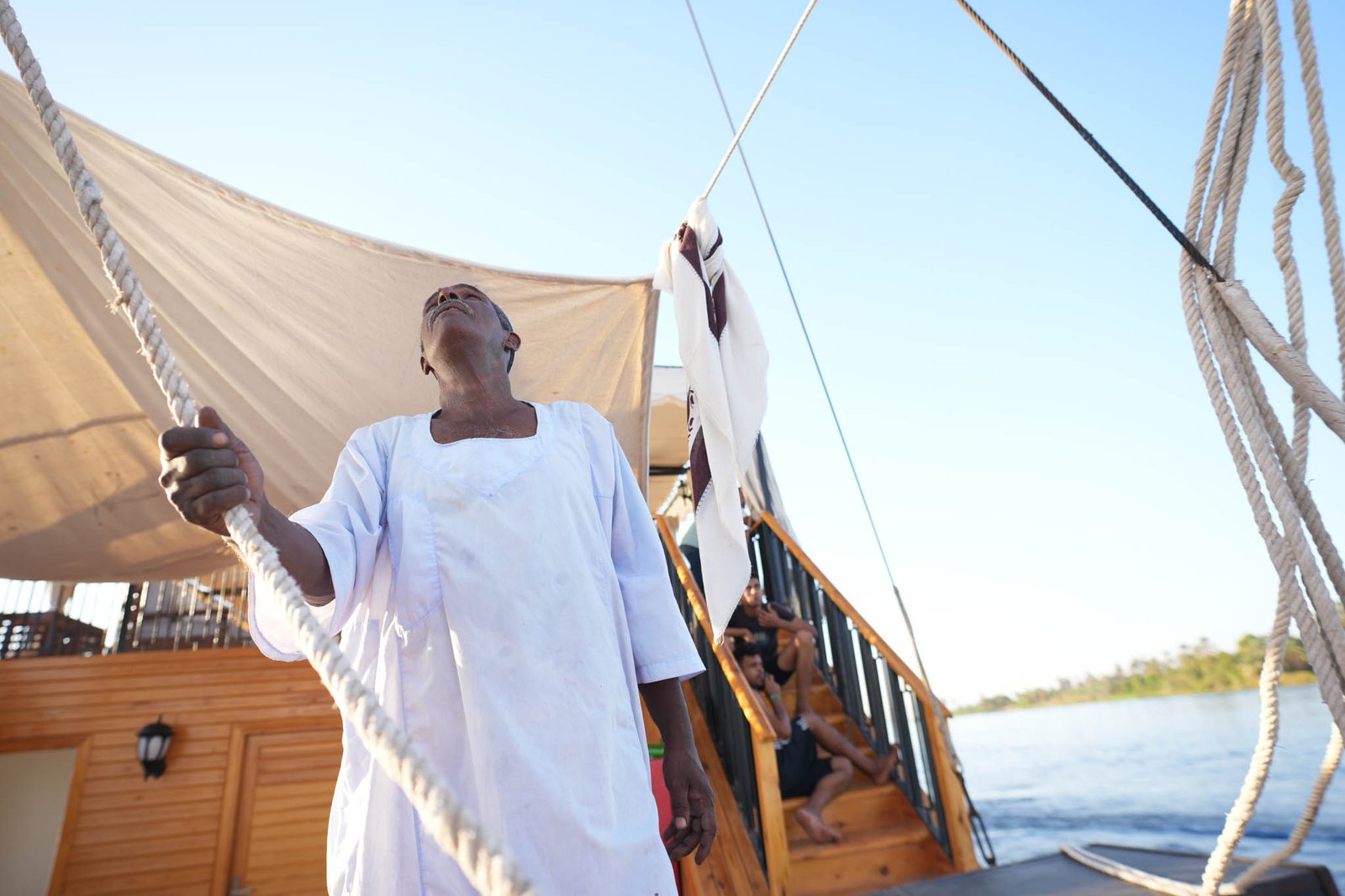
You will be welcomed by the crew, given a tour of the boat, and then set off as the Dahabeya departs the shore—your journey on the Nile begins.
Lunch will be served on board. Enjoy a peaceful afternoon sailing at the rhythm of the wind as you start to relax.
Your overnight stop will be in El-Hegz.
Dinner and overnight stay on board.
DAY 2: EL-KAB – EDFOU
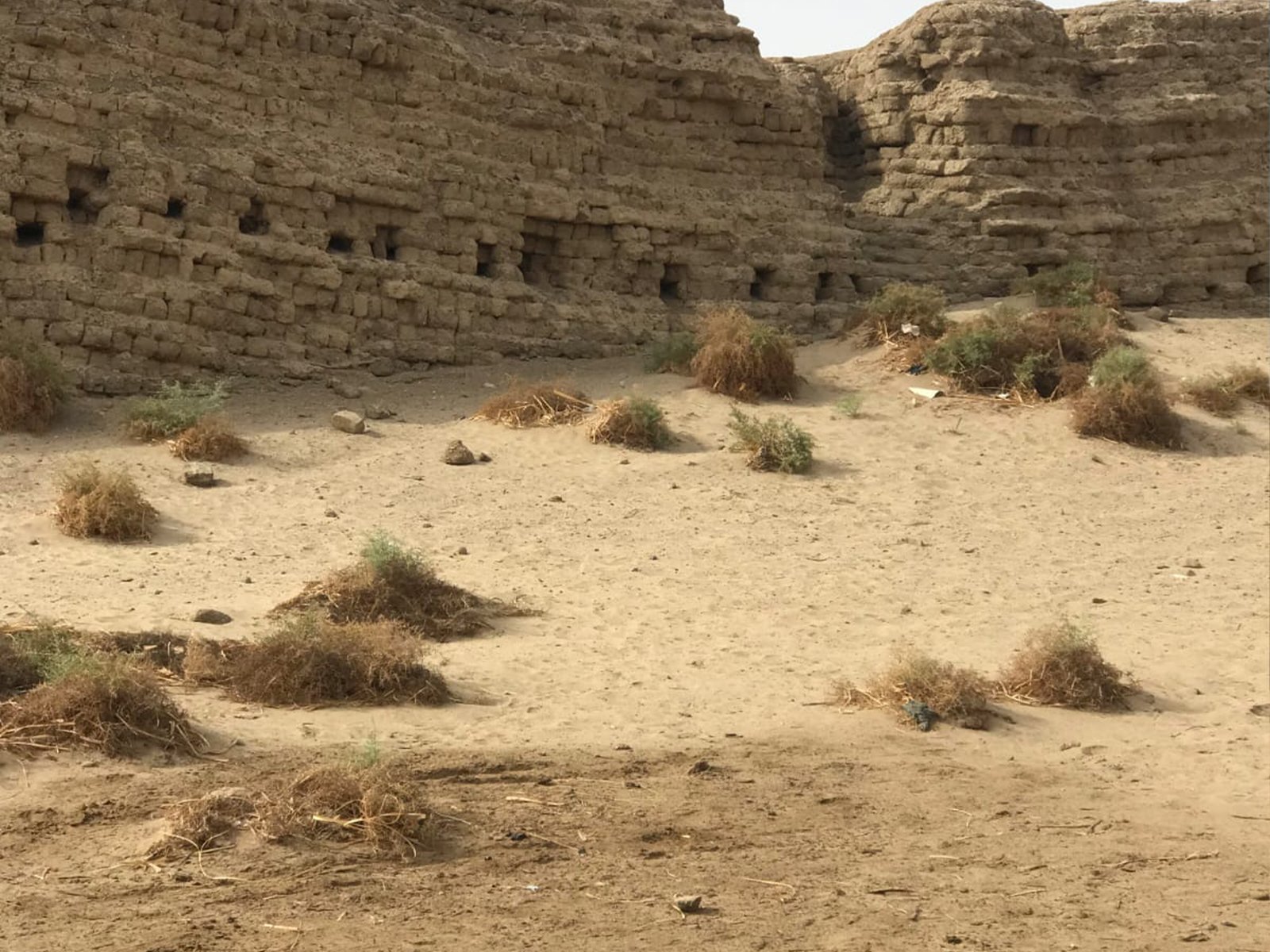
Breakfast will be served during navigation towards El Kab. Stop and visit the historic site of El-Kab: surrounded by an enclosure made of mud bricks, this ancient city is believed to have been founded as early as the Neolithic period. Enjoy a walk among the rock-cut tombs carved into the mountainside.
Return to the boat, resume sailing, and have lunch on board.
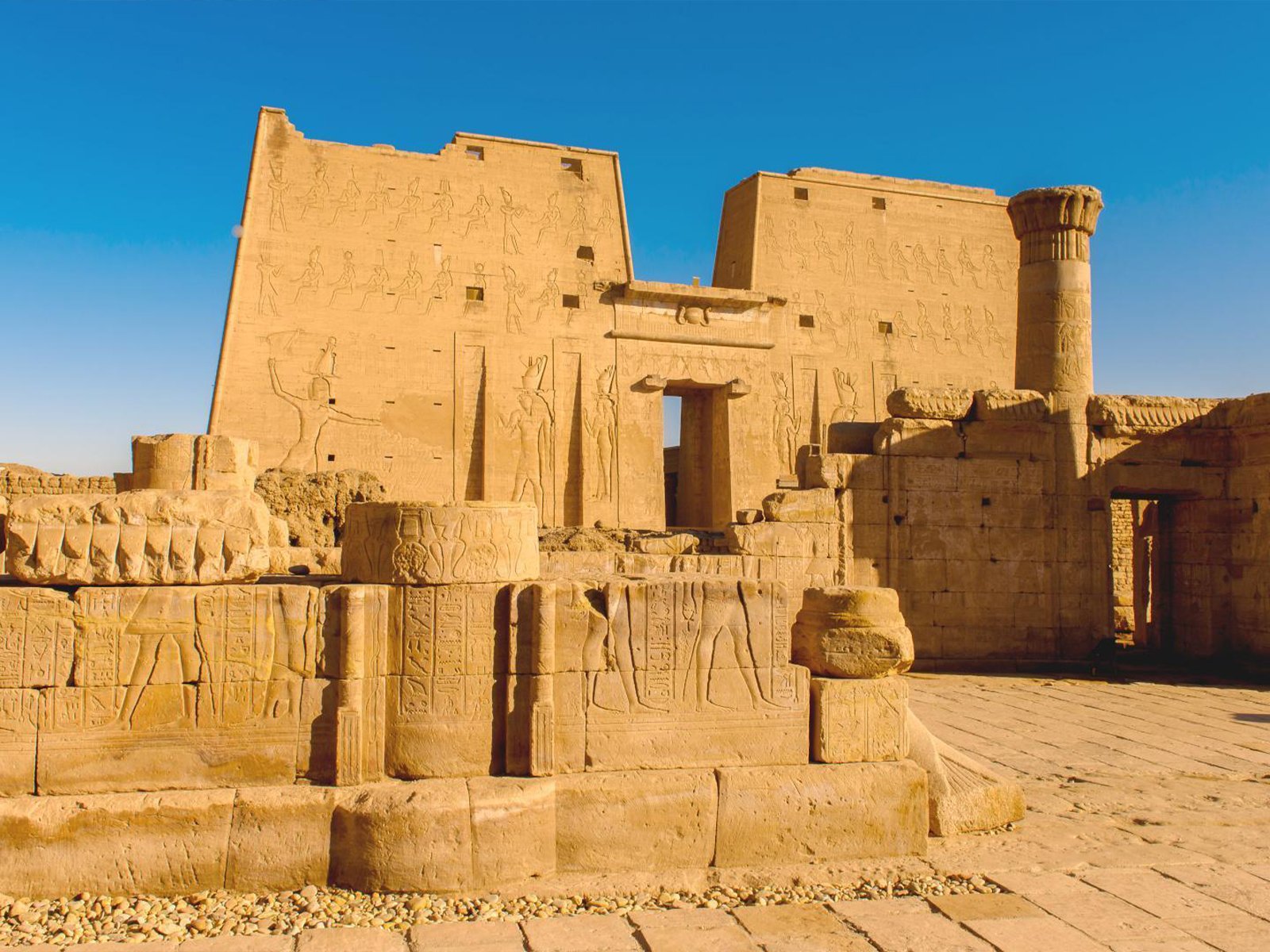
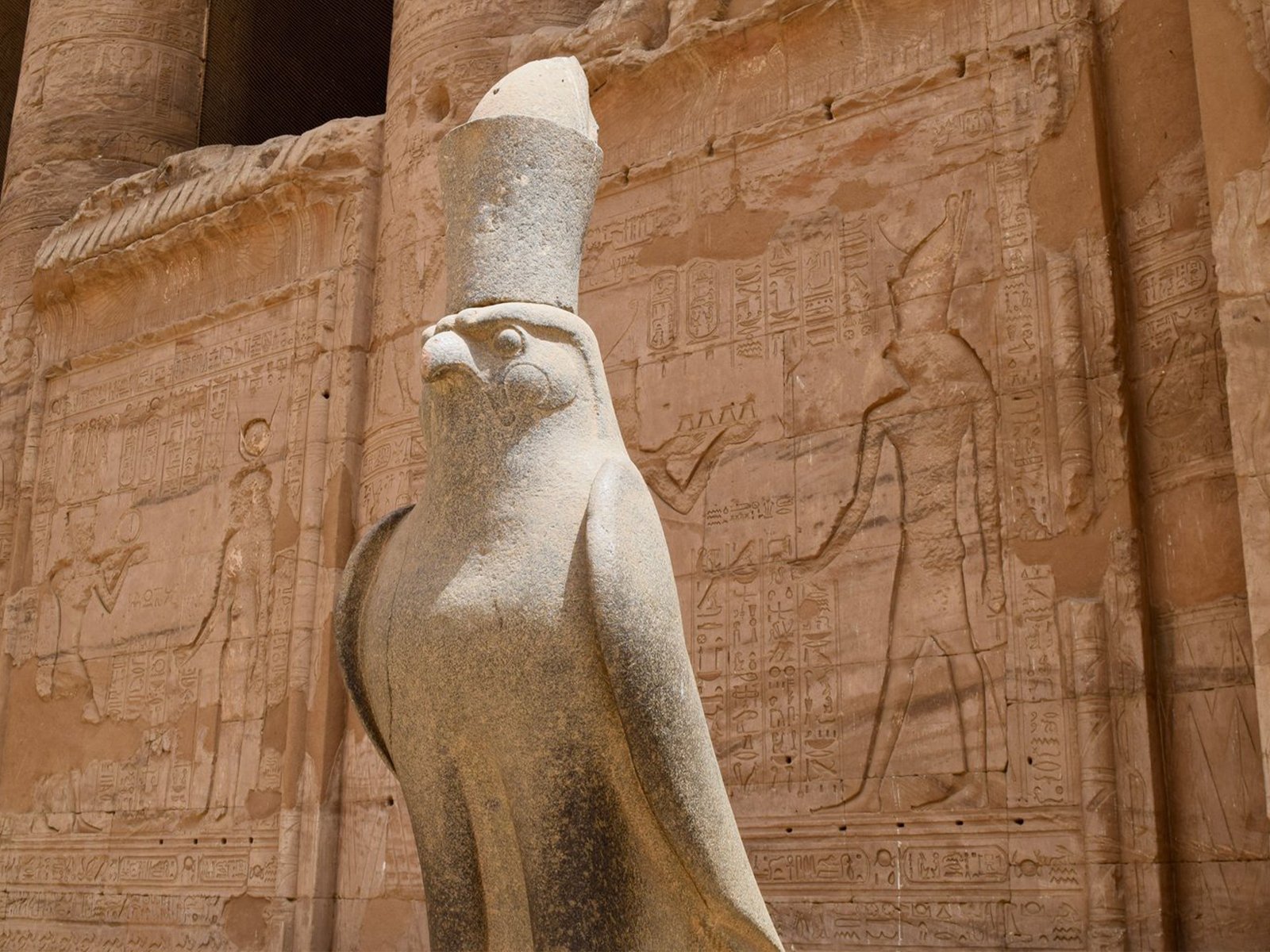
Dock and take a carriage ride to visit the temple dedicated to the god Horus, symbolized by a solar disk with falcon wings.
This is one of the largest and best-preserved temples of ancient Egypt.
Continue your journey on the river, have dinner on board, and dock overnight at Fawaza.
DAY 3: BASSAW – DJEBEL EL-SILSILEH
Breakfast while sailing.
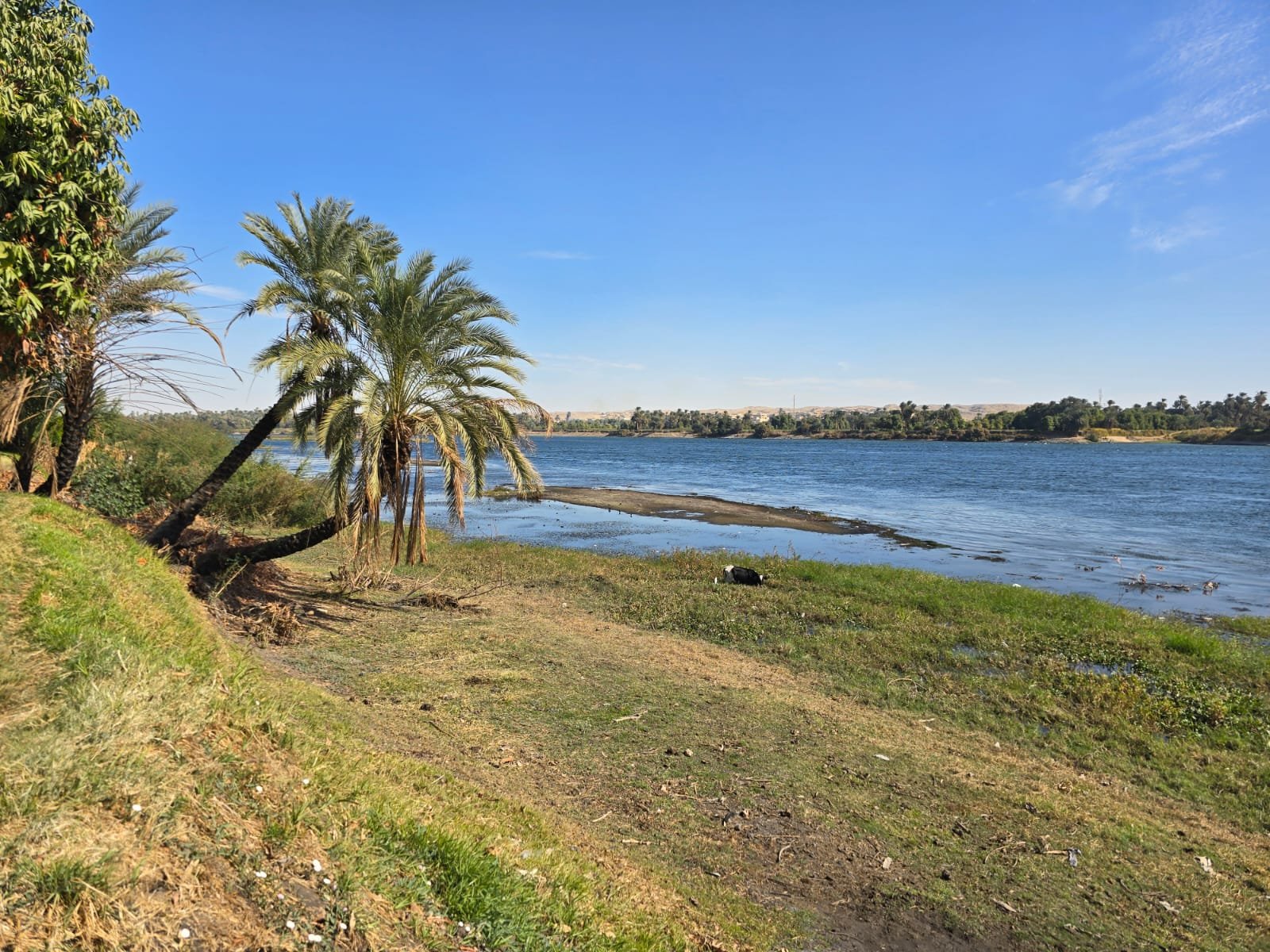
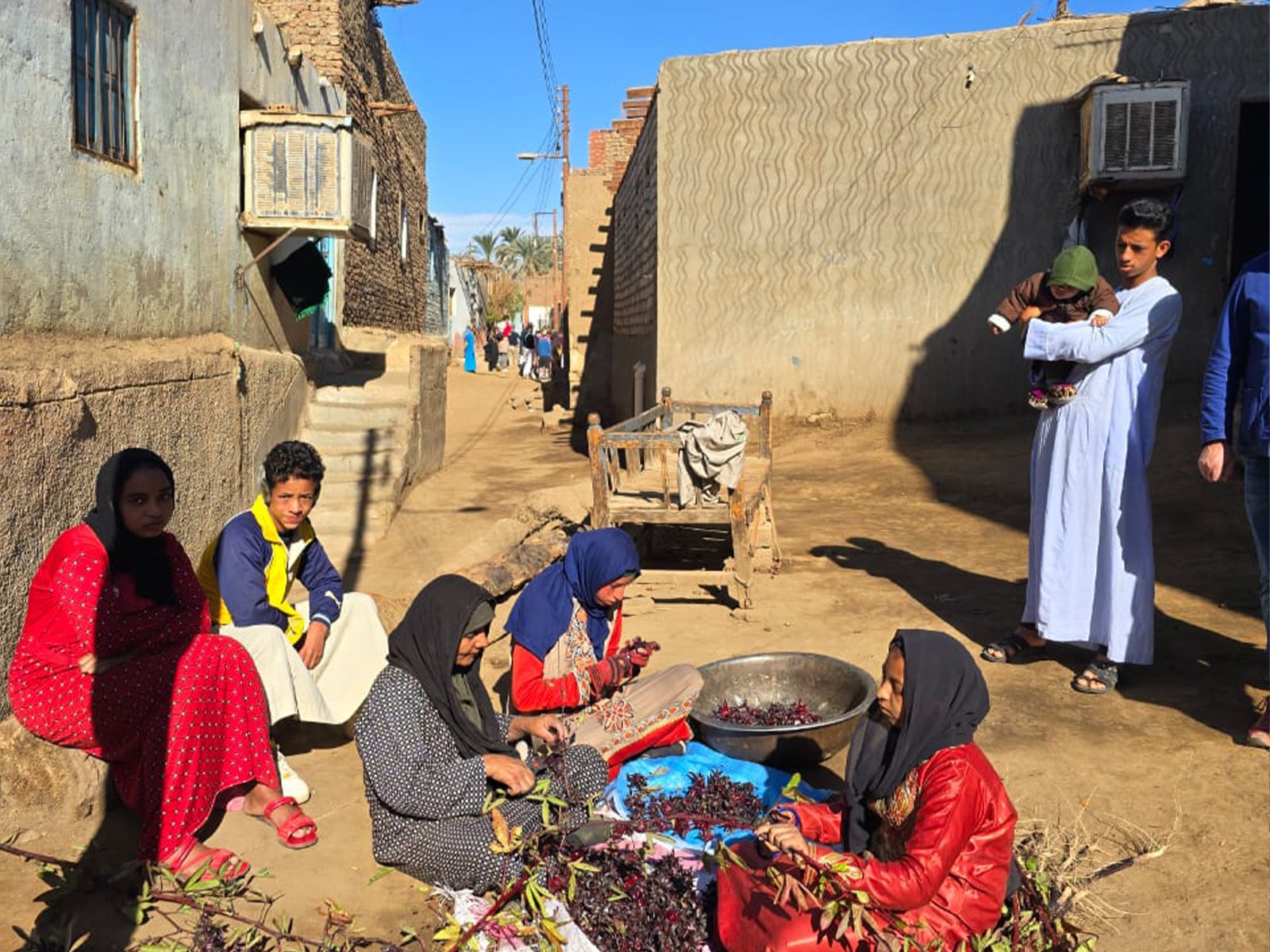
Stop in the small village of Bassaw, surrounded by plantations of banana trees, mango trees, sugarcane, and hibiscus.
Lunch on board while continuing the navigation.
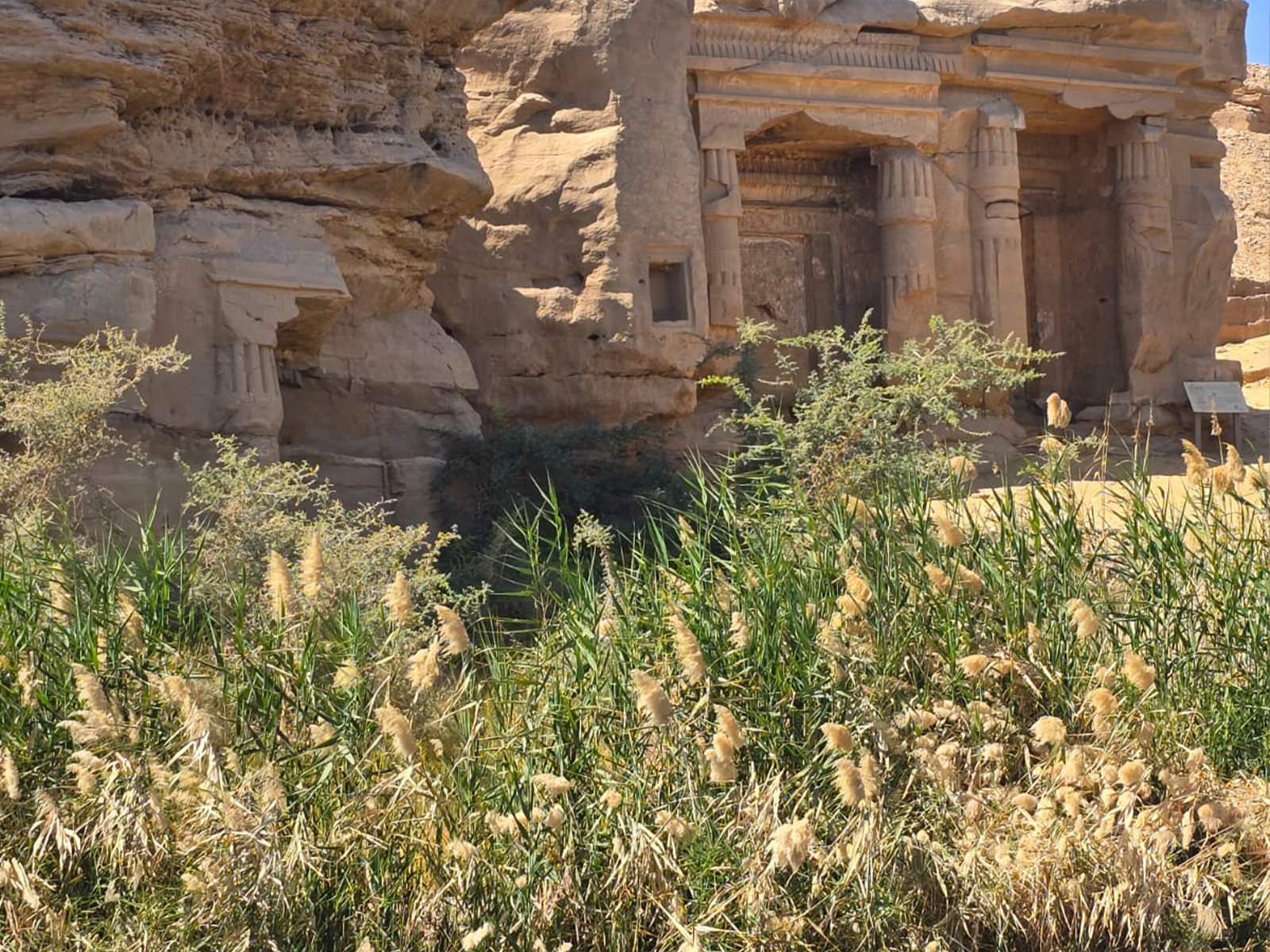
In the late afternoon, visit the sandstone quarries of Djebel EL-Silsileh, where several small rock-cut chapels and the sanctuary of King Horemheb can be explored. Continue sailing towards Maniha Island.
Dinner on board.
DAY 4: KOM OMBO – BEACH STOP
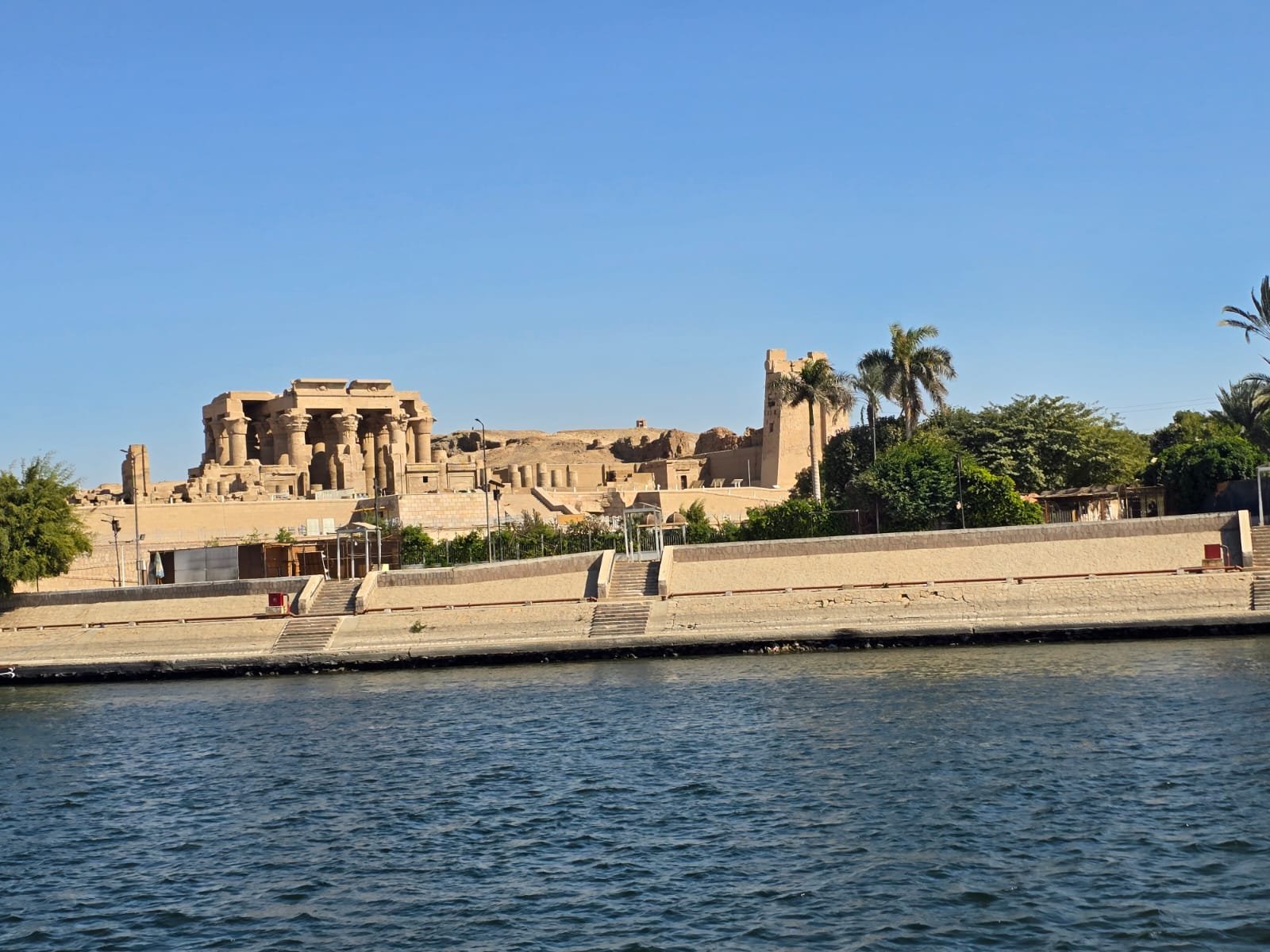
After breakfast, depart for a visit to the Temple of Kom Ombo:
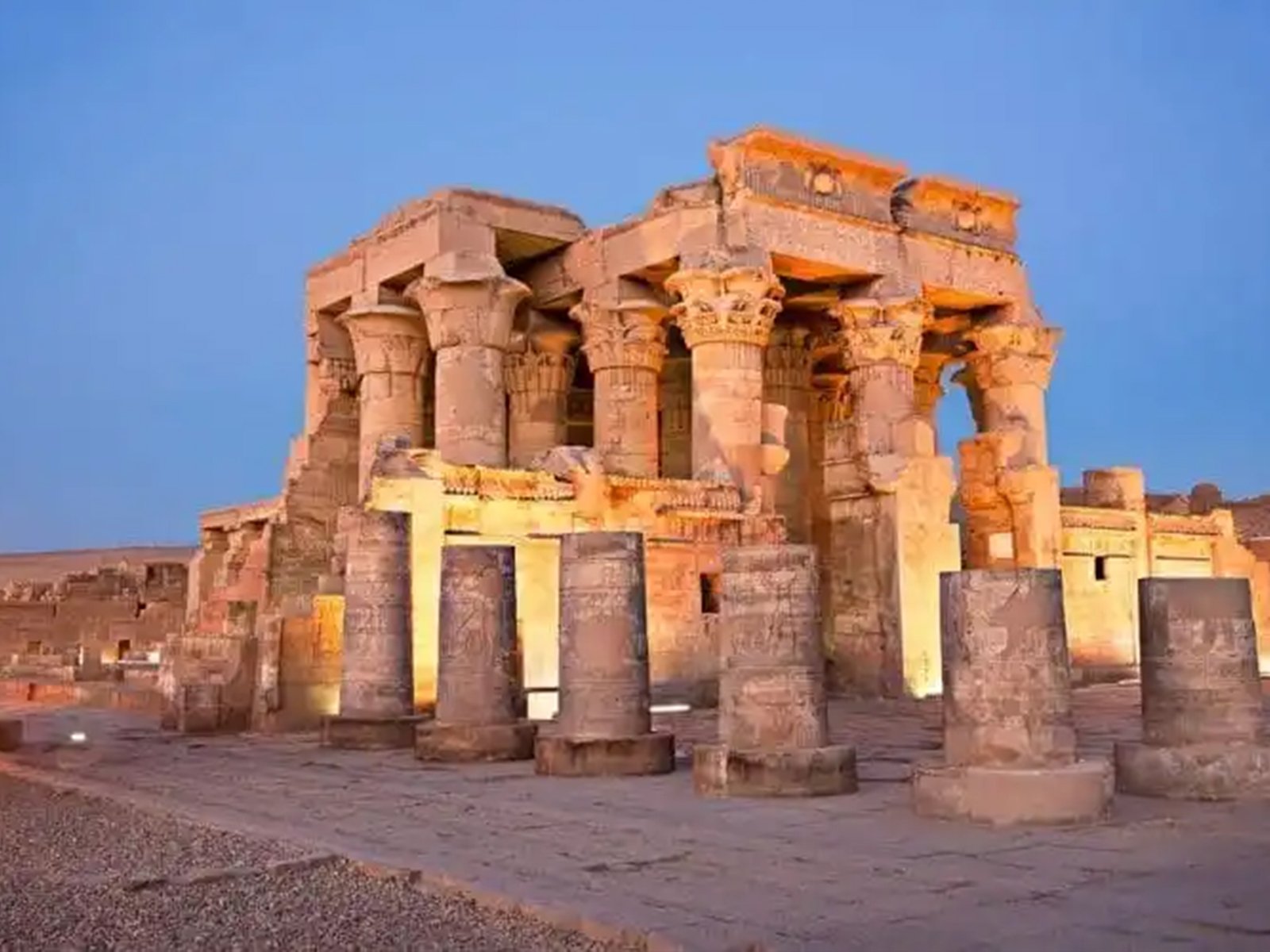
Perched on a promontory overlooking the Nile, this temple is a site of remarkable beauty.
Dedicated to two deities, Sobek, the crocodile god, and Haroeris, the falcon god, it features a perfectly symmetrical architectural design.
Return to the boat.
Lunch on board while sailing.
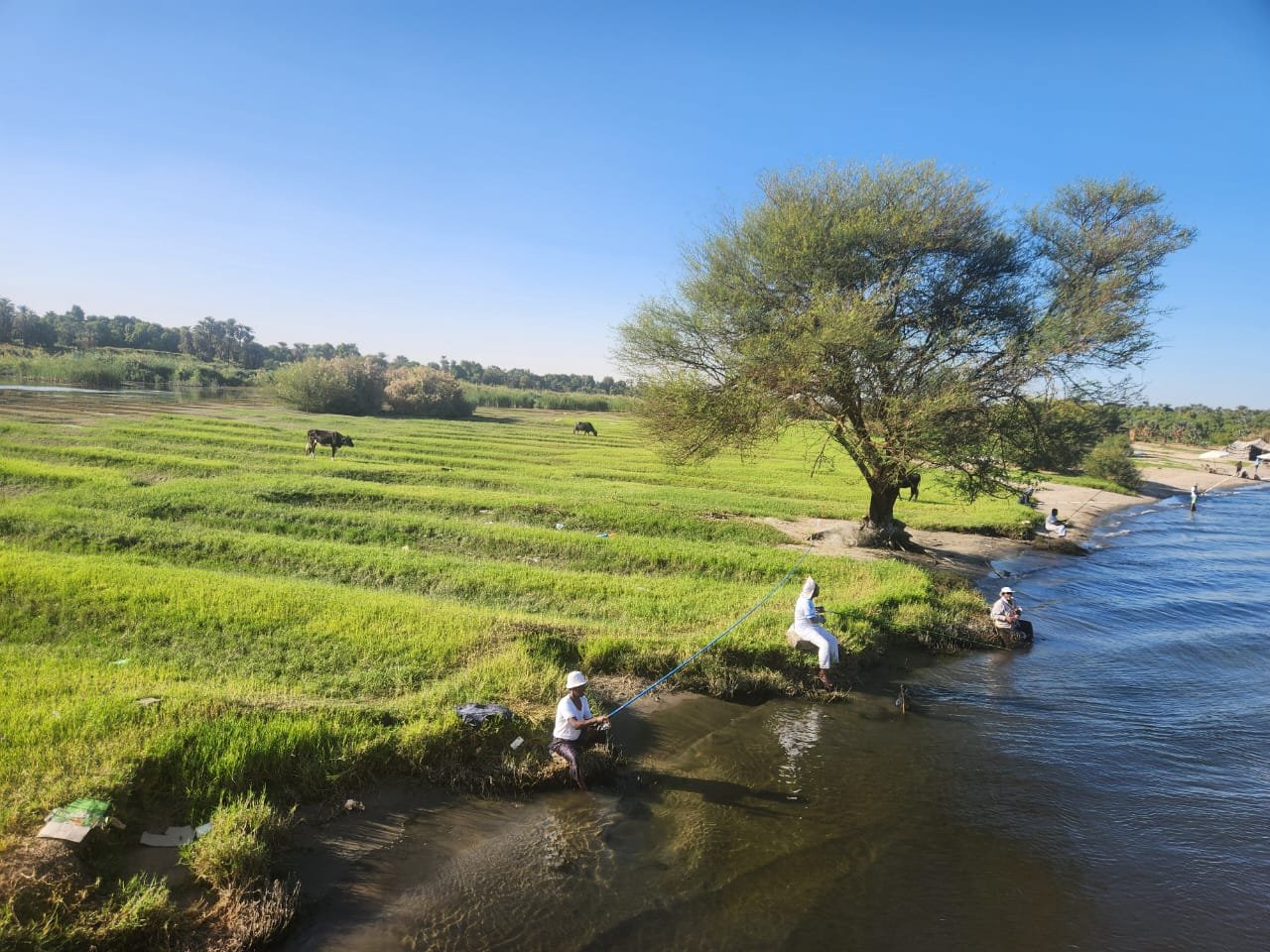
Enjoy a relaxing afternoon on the Dahabeya as it glides gently along the river. Stop at a beautiful riverside beach, where you will have the opportunity to swim.
Return to the boat for a farewell dinner and a final evening with the crew.
DAY 5: DISEMBARKATION
Breakfast on board, disembark from the Dahabeya.
OPTIONAL TOURS AND ACTIVITIES
LUXOR: Consider adding an extra day
Luxor is full of incredible treasures, and some sites deserve an additional day for full exploration.
West Bank:
The West Bank of Luxor is home to numerous tombs, temples, and the artisans’ village where these masterpieces were crafted.
● Valley of the Kings: A UNESCO World Heritage Site and part of the ancient Theban necropolis, this valley served as the burial site for New Kingdom rulers (1500–1070 BC).
● Temple of Hatshepsut: This magnificent mortuary temple, built by Queen-Hatshepsut (1473–1458 BC), is considered one of Egypt’s most stunning architectural achievements.
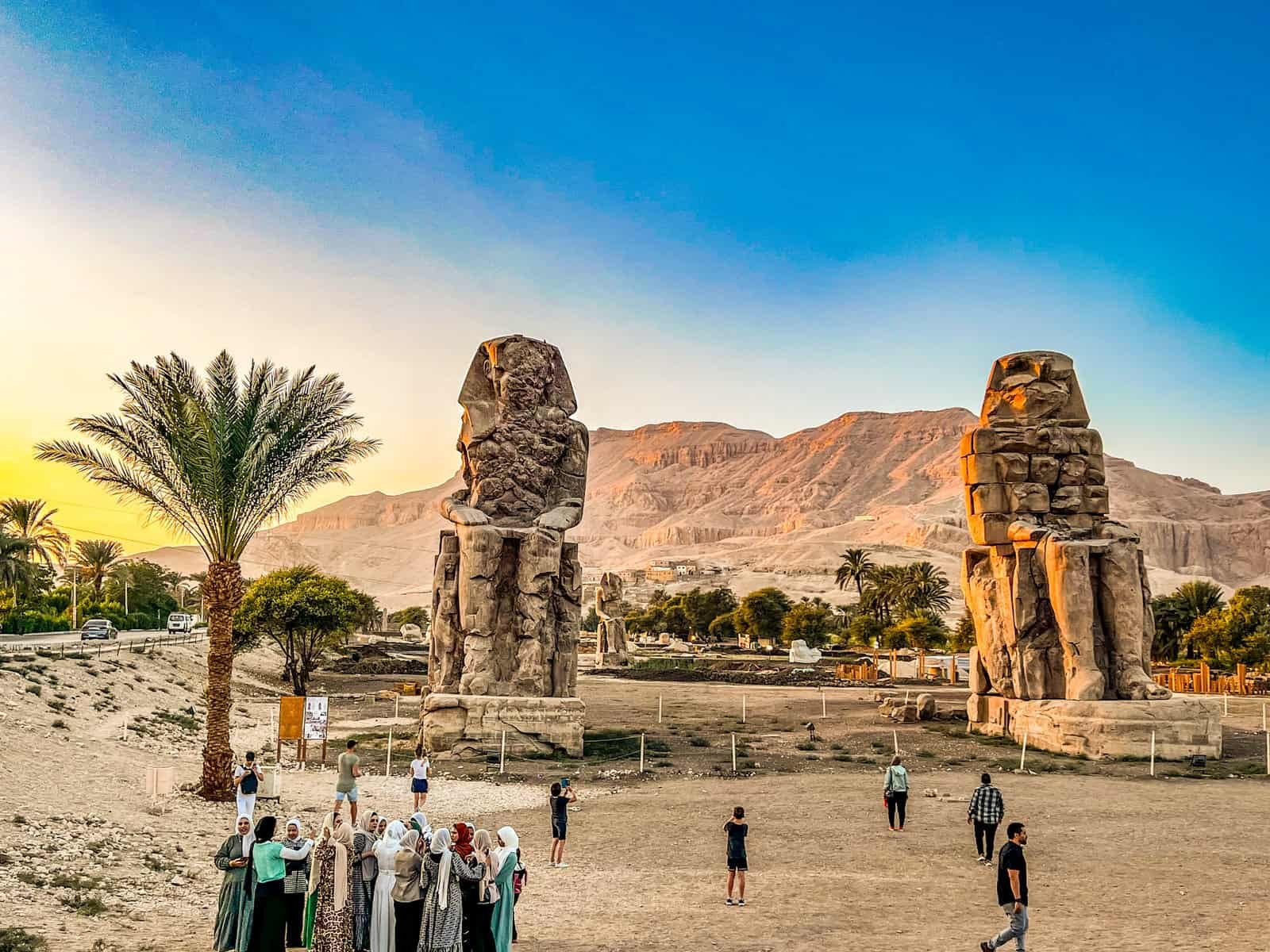
● Colossi of Memnon: Start your visit with these two massive sandstone statues, remnants of the mortuary temple of King Amenhotep III (1386–1353 BC).
● Hot Air Balloon Ride: Enjoy breathtaking views of the West Bank at sunrise with a 50-minute hot air balloon ride, offering a unique perspective on the ancient landscape.
East Bank:
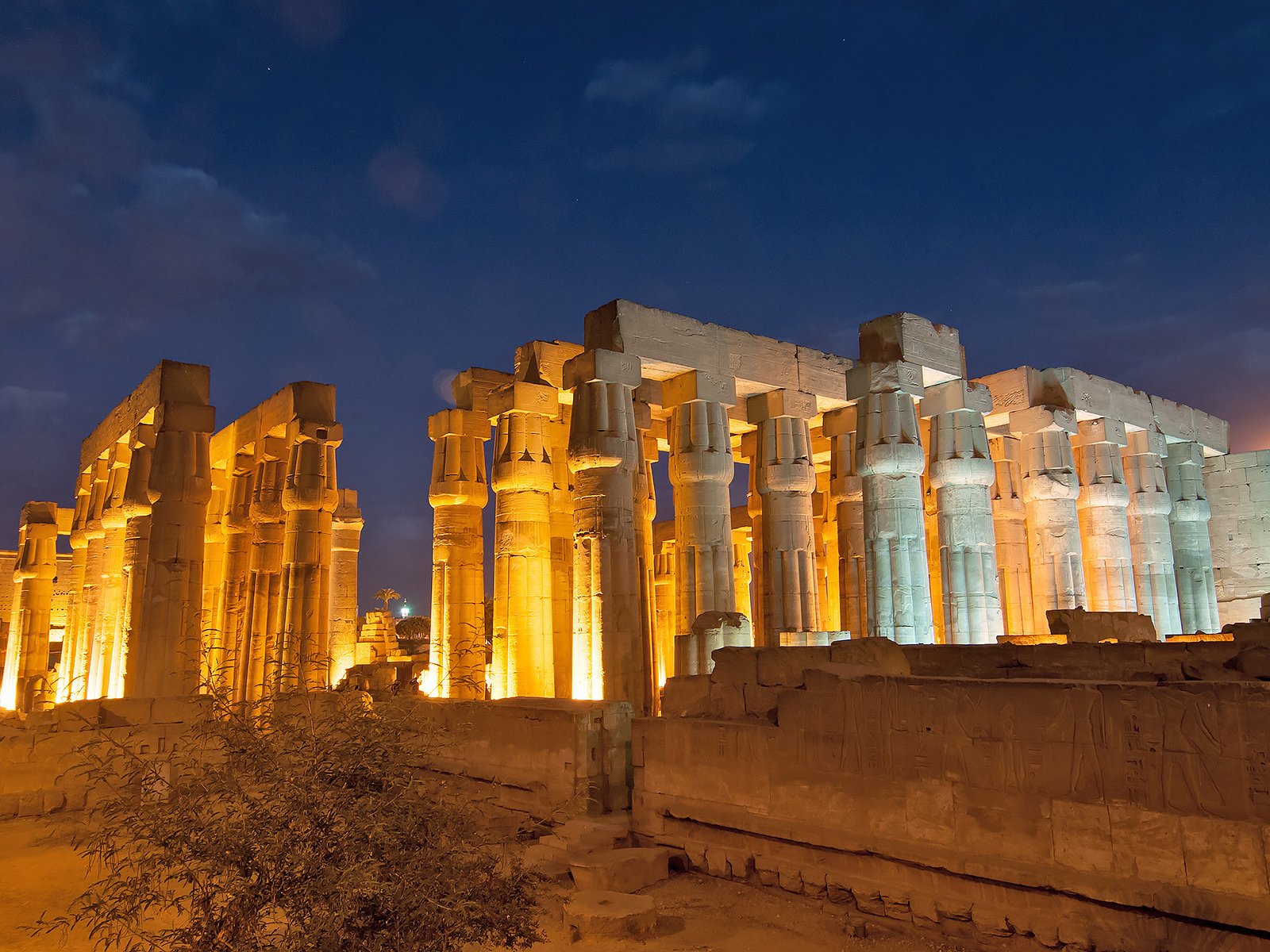
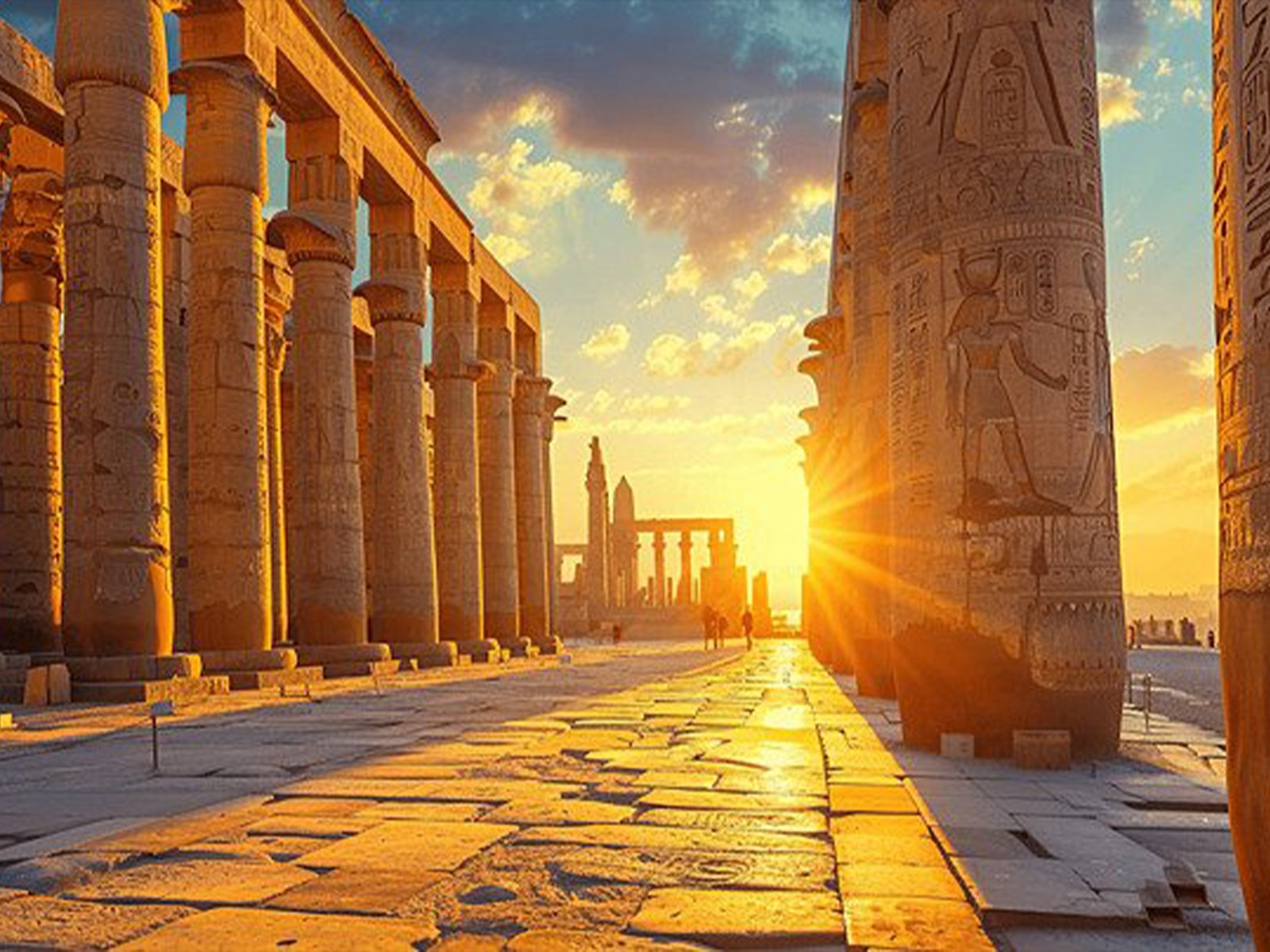
● Luxor Temple: Located about 3 km south of Karnak and connected by the Avenue of Sphinxes, this temple uniquely reflects Egyptian, Greek, Roman, Christian, and Islamic influences. It was largely built by King Amenhotep III (1386–1353 BC). and King Ramesses II (1279–1213 BC).
● Temple of Karnak: A vast complex and one of the largest religious structures ever built, Karnak was dedicated primarily to the Theban triad—Amun, Mut, and Khonsu. Constructed over more than 2,000 years, it served as a major center of worship during the New Kingdom (c. 1550–1070 BC) and remains a stunning testament to ancient Egyptian architecture and spiritual life.
ASWAN
Make the most of your stay in Aswan with these must-see highlights:
● Philae Temple: Accessible only by boat, this stunning site offers a picturesque approach. It was relocated in the 1970s to avoid flooding caused by the Aswan High Dam. Most of its structures date to the Ptolemaic period (332–30 BC).
● Unfinished Obelisk: Visit this enormous 42-meter monument, which would have been the largest obelisk ever built, and learn about ancient stone-carving techniques.
● Nubian Village: Discover Nubian culture and history in this colorful village, shaped by life along the Nile and the impact of the High Dam.
● Felucca Ride: Enjoy a peaceful boat trip with views of the Tombs of the Nobles, the Aga Khan Mausoleum, Plantation Island, and the historic Old Cataract Hotel.
ABU SIMBEL TEMPLES
Located in the town of Abu Simbel, about a 3-hour drive (280 km/174 miles) southwest of Aswan, these iconic temples are part of the UNESCO Nubian World Heritage Sites. The massive rock-cut temples, built during the reign of King Ramesses II (19th Dynasty), are a marvel of ancient engineering and artistry.
In the 1960s, a remarkable rescue operation relocated the temples to higher ground to save them from flooding caused by the construction of the Aswan High Dam. Their grandeur and historical significance make them a must-see for visitors to the region.
PRICES
4 Nights 5 Days
We are delighted to introduce our Dahabeya — a blend of traditional elegance and modern sustainability.
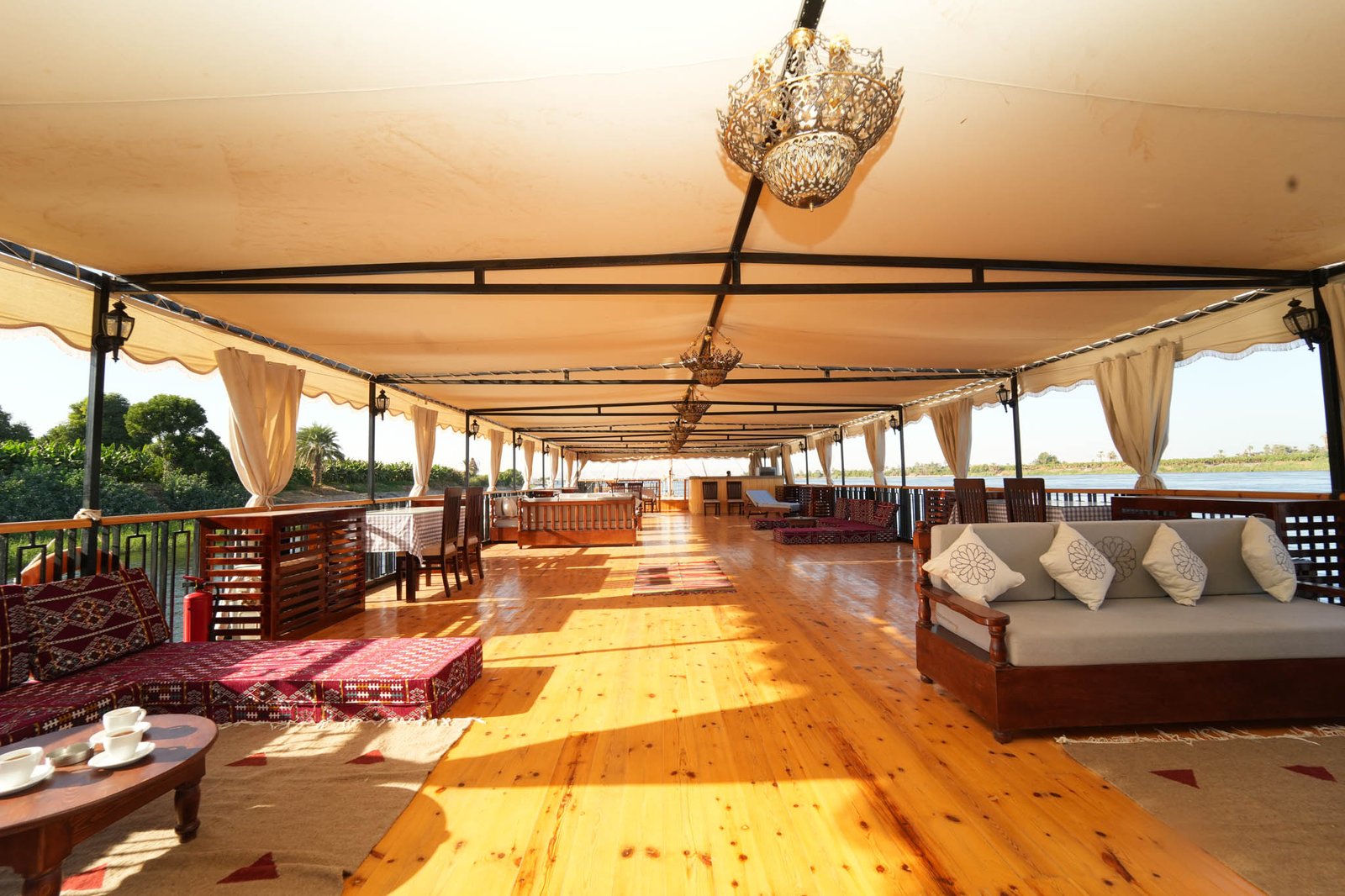
The boat is equipped with solar panels for electricity, solar water heaters, and energy-efficient LED lighting, all designed to minimize our environmental impact. For your comfort and safety, it features a fire alarm and firefighting system, fans, air-conditioning, laundry service, Wi-Fi, and life jackets.
Every detail has been thoughtfully considered to ensure a safe, comfortable, and eco-conscious journey for our guests.
Each cabin is equipped with individual air-conditioning and a private bathroom with a shower. Guests can also enjoy a welcoming lounge area featuring a library, board games, and Wi-Fi — the perfect space for relaxation and socializing.
-
 Single Cabin Starting from 1845$Per person in a single cabin.
 -
Double Cabin Starting from 1055$Per person in a double share cabin.
-
Suite Starting from 980$Per person in a shared Suite.
Entry Fees: 48$ per adult.
PRICE INCLUDES
- Airport or hotel transfers
- 4-nights accommodation aboard a shared Dahabeya
- All meals and non-alcoholic beverages
- Guided tours as per itinerary
PRICE DOES NOT INCLUDE
- Optional tours
- Alcoholic beverages
- Gratuities
- Any items not explicitly mentioned above
NOTES
- The Dahabeya cruise can also be booked without the services of a guide, should you prefer a more independent experience. This can be arranged upon request.
- A private Dahabeya can be arranged upon request; please contact us for a custom quote.
- Modest clothing is recommended when visiting local villages.
- Prices are subject to change in the event of significant economic fluctuations, including high inflation, governmental policies, or global events.
- In case of unexpected changes in sailing conditions, the itinerary may be adjusted accordingly.
- Should the assigned Dahabeya be unable to operate due to unforeseen circumstances, Queen Nazli Dahabeya will arrange an equivalent alternative vessel.
BOOK YOUR TRIP NOW
Satisfied Clients
Stops
Premium Rooms
Get in touch
Newsletter
© 2025 Queen Nazli. All Rights Reserved